
Tag: Photoblog


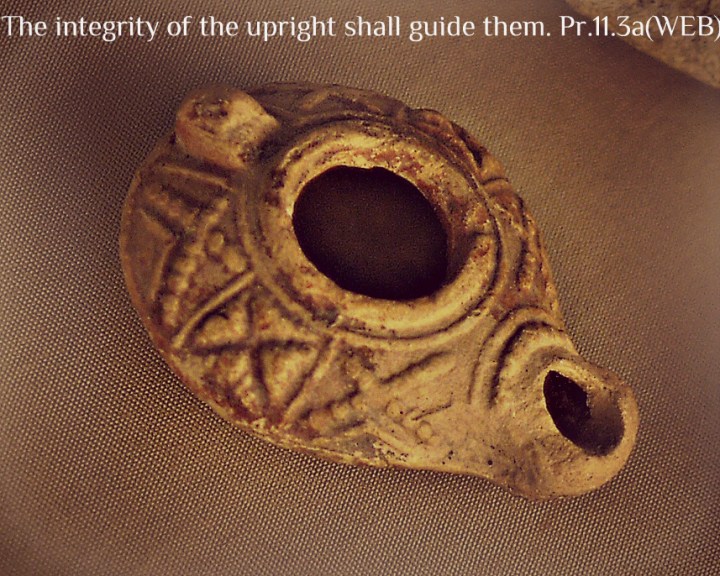
Pr.11.3a
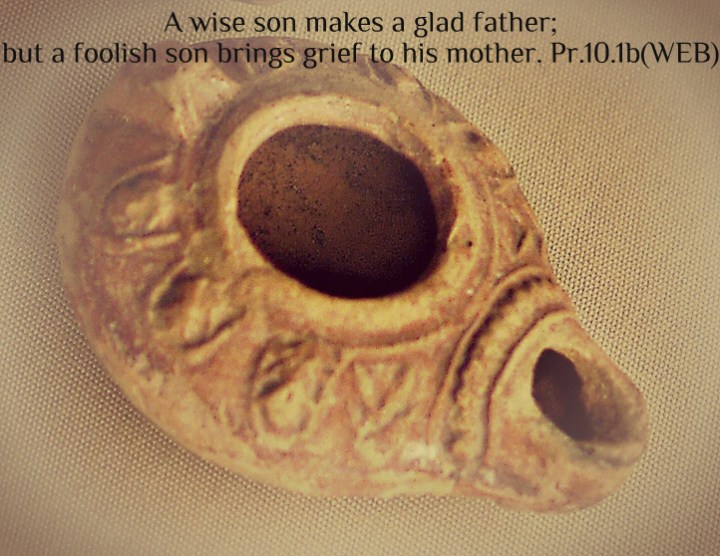
Pr.10.1b
Pr.9.1
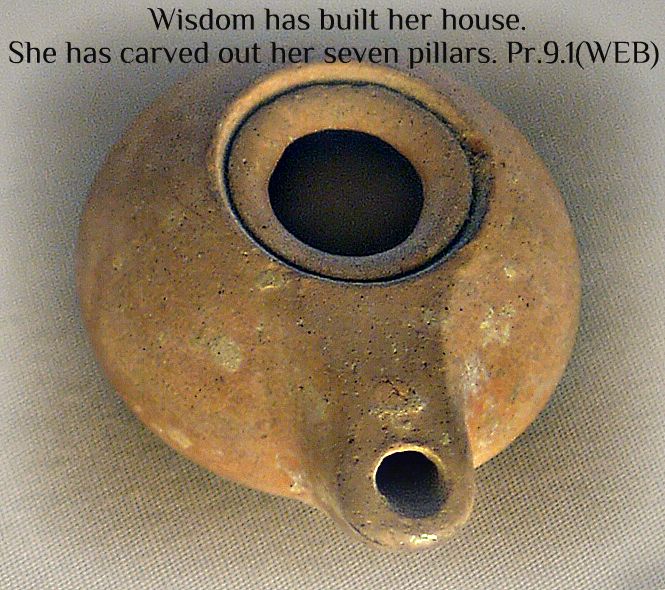
Early “molded type” lamp
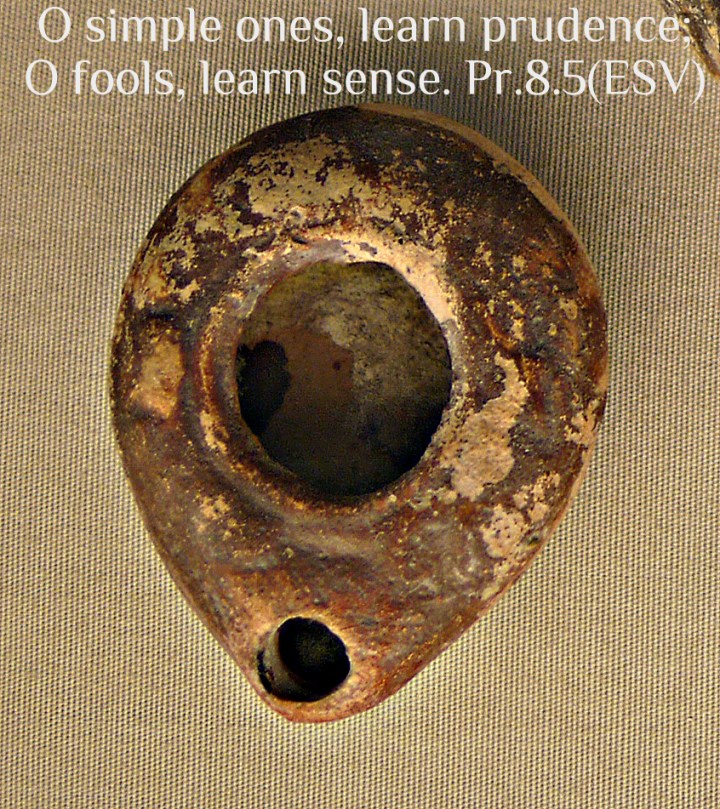
Early “Molded Type” Oil Lamp
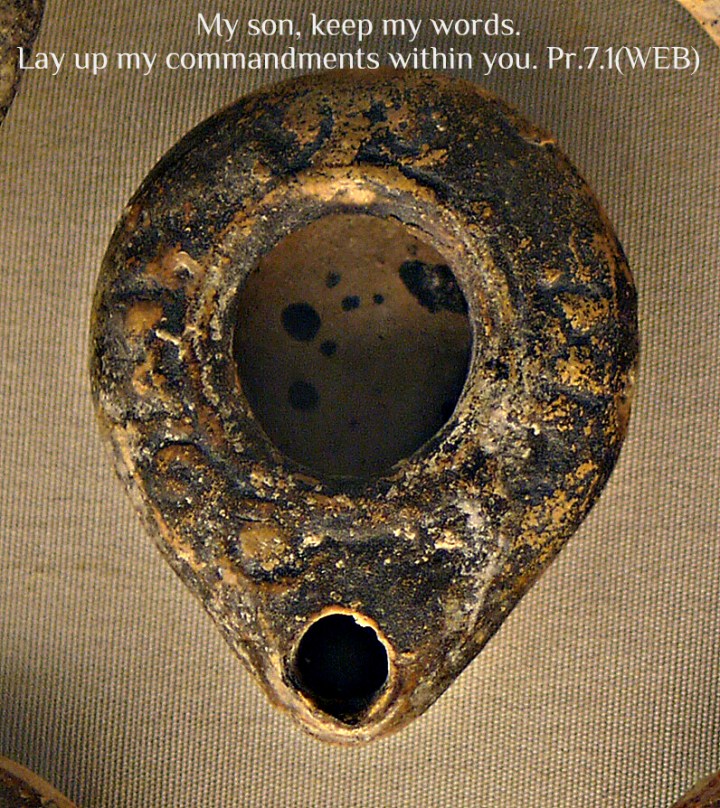
Early Greek Unadorned Oil Lamp
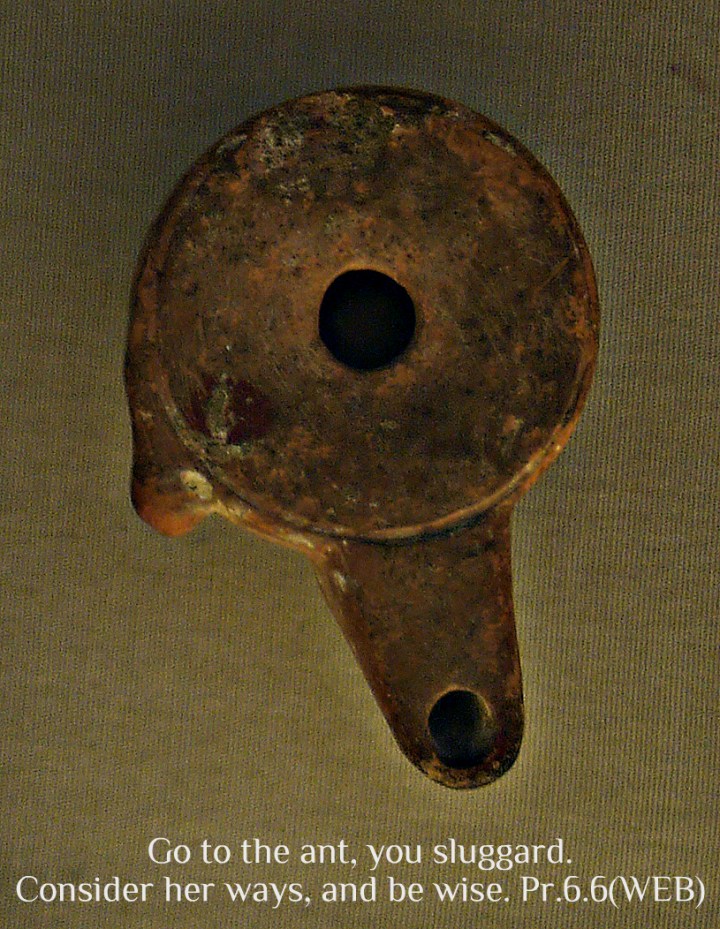
“Doughnut Type” Oil Lamp
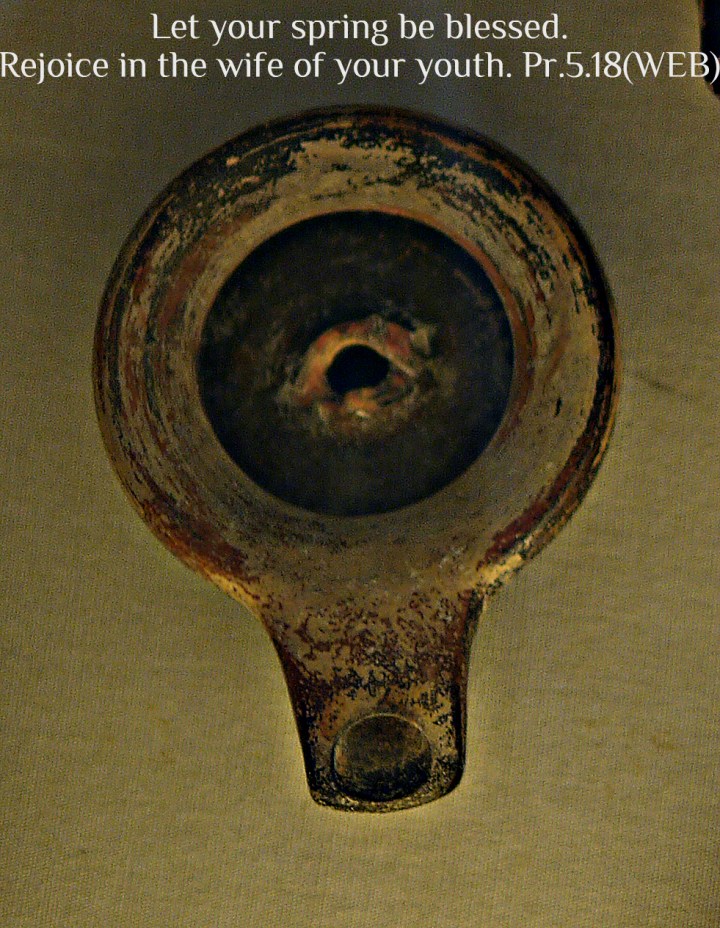
Through the center of the oil reservoir the potter constructed a hollow column which, presumably, the lamp could be attached to a stick or peg for fixing it where the owner wanted the lamp to shine.
This feature would prove ideal if the owner used the lamp in a tent for example. The dirt floor of a tent provided a place to plant the stick and hence the light anywhere it was needed.
The lamp also could be fixed on a very long stick to illumine out of reach areas whether they were elevated or even underground (if the stick was placed into the lamp from the top and secured underneath.
Finally, it may have had usage in a permanent dwelling by placing the lamp through a peg in the wall at an acute angle where the lamp’s side opposite the wick would have rested against the wall.
Early “Stylized Rim” Lamp
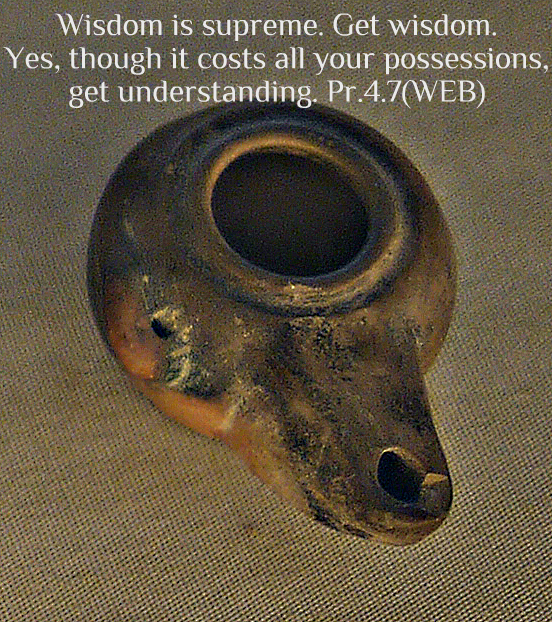
This turned pottery features a longer wick funnel to separate the burning wick from the reservoir opening presumably so that the lamp could be refilled easily while still providing light.
The raised rim on the “discus” of the lamp (top) is the beginning of early styling as the lamps developed a smaller filling hole for practical reasons.
“Turned” lamp
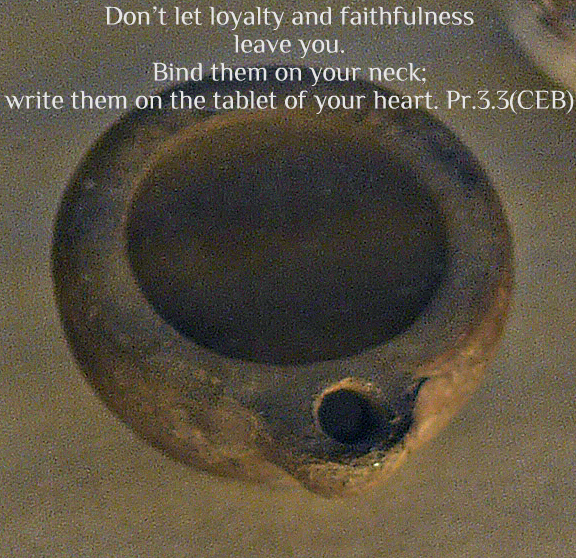
This type of lamp was made on the potter’s wheel and featured high sides. The lamp’s unadorned style shows that it was from an early time period but later than the “saucer type”.
9th Century B.C. North African Oil Lamps
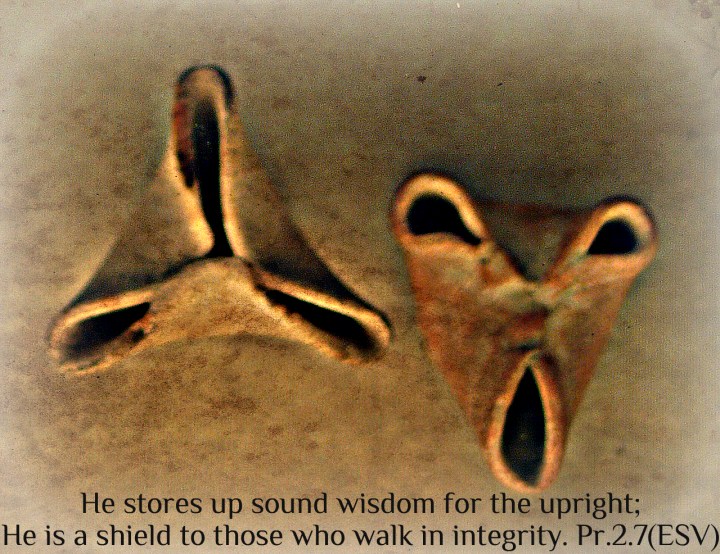
The rest of the oil lamp pictures will be much better than this one. These were unique lamps and the earliest from the region. The clay lamp technology and culture came from Phoenicia from where settlers from Tyre and probably other cities crossed the Mediterranean in in their vessels and established a colony in present day Tunisia.
The information I am posting comes from a combination of personal knowledge and the museum’s placards next to the display case. I took pictures of the placards to retrieve the information.
4-way Oil Lamp
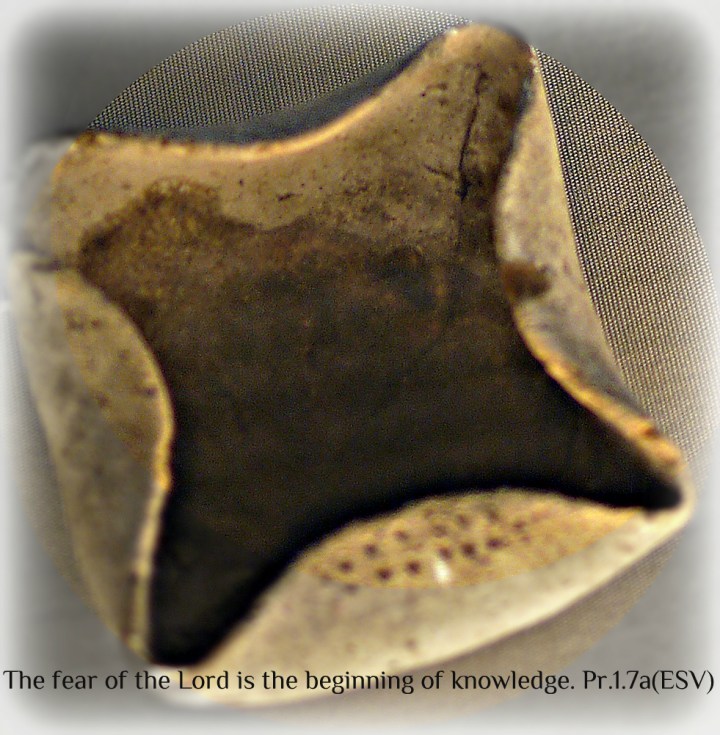
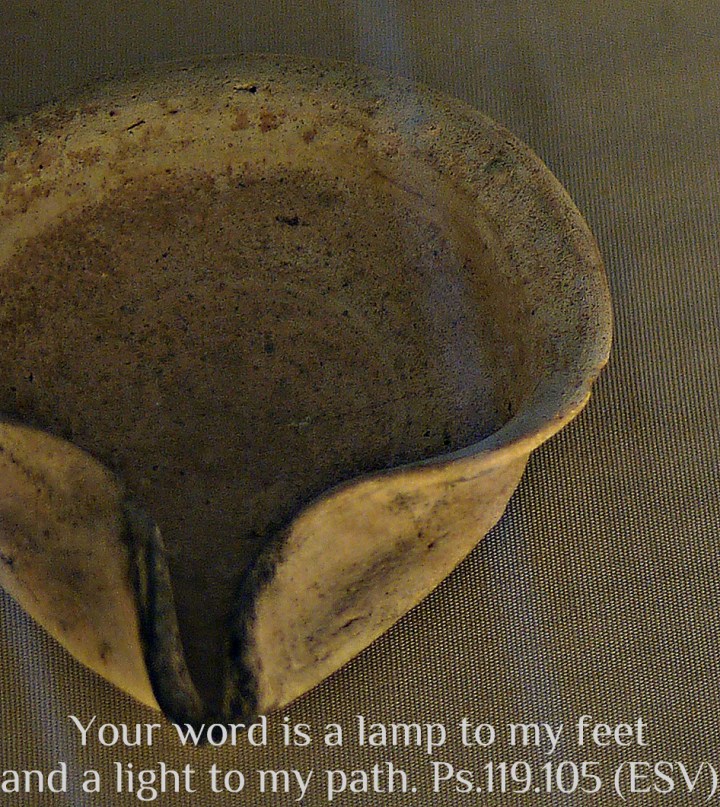
This “saucer type” of lamp consisted of pottery with indentations for the wick. This one would support 4 wicks and so gave more light. It would however use up the oil proportionately as to the amount of lit wicks. The user with this lamp had options as to how much light he wanted to generate.











 beliefspeak2