
Confirmation Bias
The Tel Dan Stele and the Biblical Record
The Difference Between a Cracked Pot and a Crackpot
The Future King of Heaven
Gospel Fiddling
Awaiting the Spirit’s Application
Competing Claims of Religious Territory?
Cowards Who Kill the Defenseless
Flexible Relations
Dating Joel’s Prophecy
Should Pastors Preach Verse by Verse Through the Bible?
In a word, no. Here’s why: it’s too myopic and and irrelevant for the average listener. Instead, to get the flow and theme of God’s revelation, a faster pace of teaching must be employed. Here is what I am saying, worded differently: the totality of scripture needs to be kept in mind when studying discrete parts of it. Therefore, it will benefit the congregation to … Continue reading Should Pastors Preach Verse by Verse Through the Bible?
Instances of Variants In Transmission Through Misunderstanding
Talking to God
“I Am” as a Proper Name in the Old Covenant
The Step Stone Structure is Probably Not the Millo
Here is some fascinating history of the excavation of the Stepped Stone Structure in The City of David. https://approachingjerusalem.substack.com/p/stepped-stone-structure-2 Chris McKinney and Joe Uziel believe The Millo has to be associated with the Gihon Spring: Continue reading The Step Stone Structure is Probably Not the Millo
The Genesis of Gender: A Review by Mark Ward
“Representation” as Meaning for the Existential Verb
How Rome is Changing
Sanctify Them by the Truth; Your Word is Truth-Jn. 17.17
Our Minds are Enlarged as We Study Great Things
Parablepses in Jude
The Qumran Text and the Essenes
Good or Evil?
Nothing is Impossible for God to Reach His People
What is the First Commandment?
If we were to poll various communities, such as Jewish, Samaritan, or early Christian, we would probably find that they view the 10 Commandments differently. Here, I want to alert readers that not all things are the same when different folks speak on the same topic. Also, the author, doesn’t state his allegiance despite being an extraordinary professor in New Testament at a prominent University … Continue reading What is the First Commandment?
The Coherence Based Genealogical Method of Textual Criticism
This is a method I didn’t have when I first studied Koine Greek nearly 50 years ago. Here is an overview showing that the method follows the evidence. The upshot of these studies and tools is that the Majority Text (preserved and transmitted by Byzantine Christians) is given greater weight when considering collating options for the New Testament Text. http://thetextualmechanic.blogspot.com/2023/08/the-editio-critica-maior-of-mark.html Continue reading The Coherence Based Genealogical Method of Textual Criticism
The Millo
And David lived in the stronghold and called it the city of David. And David built the city all around from the Millo inward (2Sa. 5.9 ESV). And David lived in the stronghold; therefore it was called the city of David. And he built the city all around from the Millo in complete circuit, and Joab repaired the rest of the city (1Chron. 11.7-8 ESV). The … Continue reading The Millo
What Stones Reveal from Shiloh
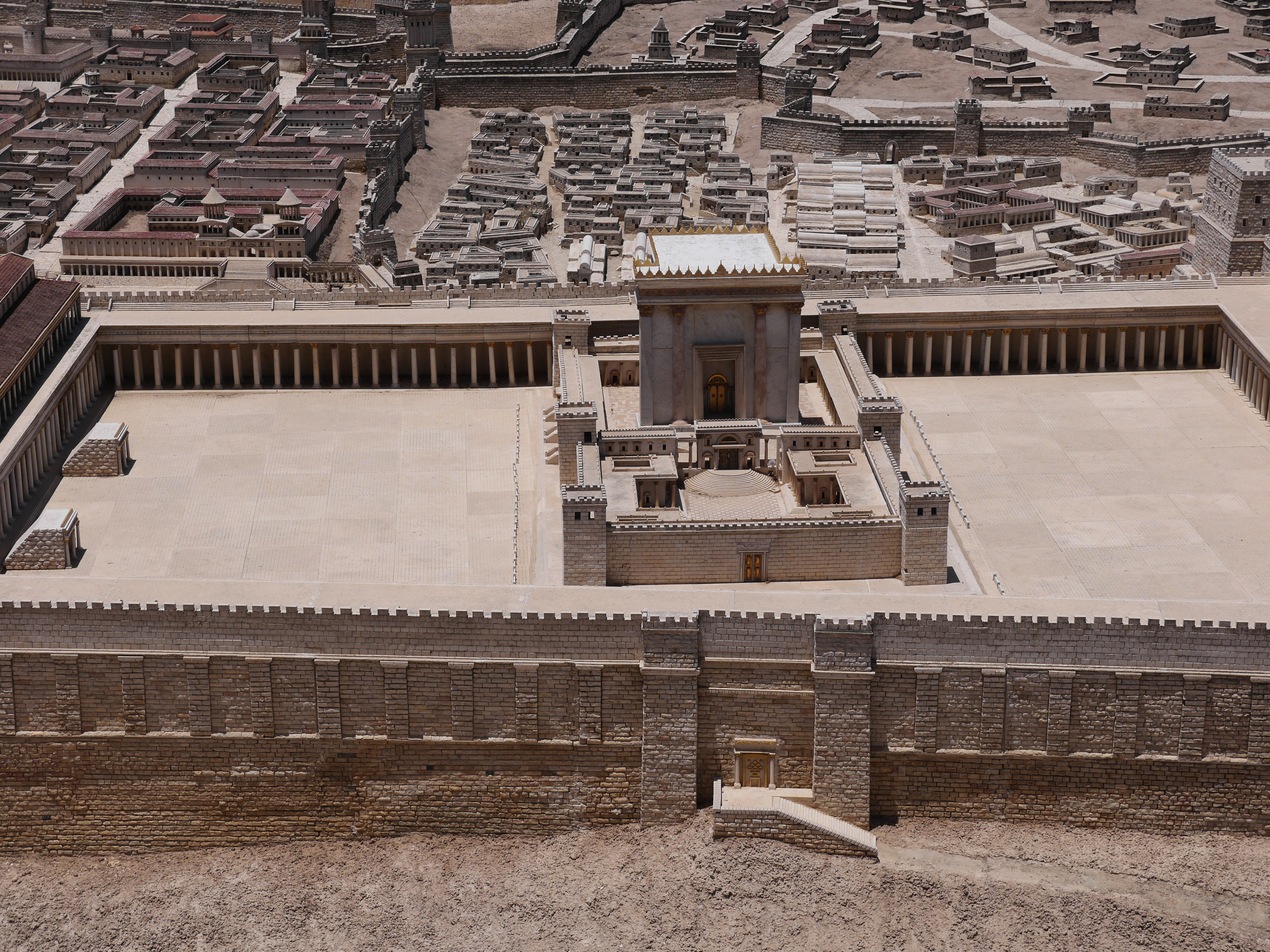
Is the Arrival of a Third Jewish Temple in the Near Future?
This media is not from a Christian viewpoint but highlights Jewish hope. The rabbi references the “return” of God; and probably, in his conception, indicates The Name’s (HaShem) Presence, similar to the cloud was at the entrance to the Tent of Meeting during the exodus from Egypt or the shekinah glory of Solomon’s Temple. I’m not sure how he thinks about Messiah’s coming, but probably … Continue reading Is the Arrival of a Third Jewish Temple in the Near Future?
 beliefspeak2